
Los Cabos vs Cabo San Lucas: what is actually the difference?
· Gus Otaduy
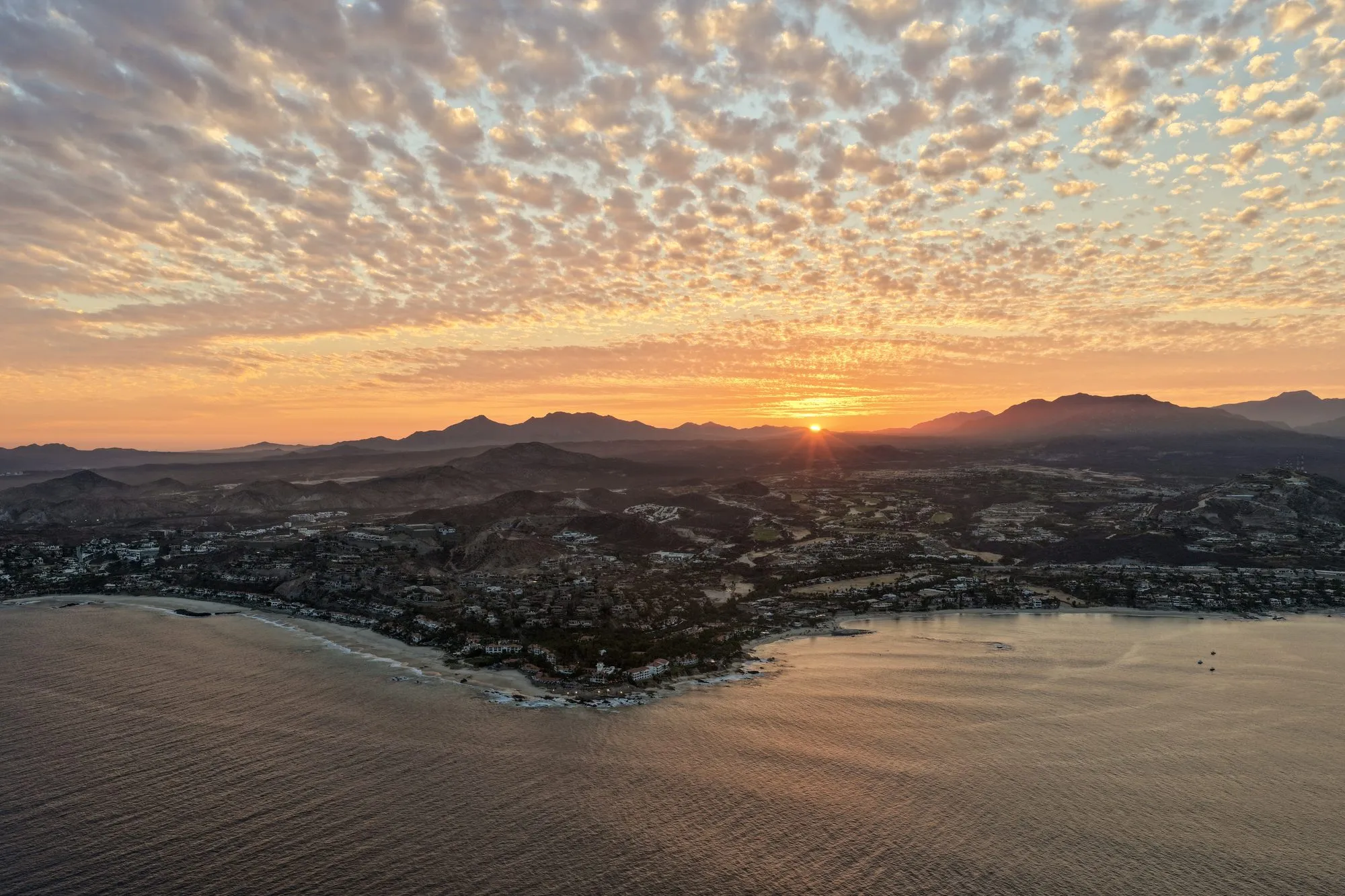
Short answer: Los Cabos is the region, Cabo San Lucas is one of its two towns. When people say “Cabo,” they usually mean the whole destination, and the whole destination is bigger and more varied than most first time visitors expect.
The geography in one minute
Los Cabos is a municipality at the southern tip of the Baja California peninsula, in the Mexican state of Baja California Sur. It contains two very different towns about 33 kilometers (20 miles) apart, connected by a coastal highway known as the tourist corridor:
Cabo San Lucas, on the western end, is the famous one: the marina downtown, Médano Beach, the nightlife, and the granite arch at Land’s End where the Pacific Ocean meets the Sea of Cortés.
San José del Cabo, on the eastern end, is the quieter, older town: a historic center around a mission church, an arts district, estuary birdlife, and a slower pace. Los Cabos International Airport (SJD), where nearly all visitors land, sits just north of it.
The corridor between them is where most of the region’s luxury resorts sit, above a string of coves and swimming bays: Palmilla, Chileno, and Santa María among them.
So: if someone asks whether Los Cabos and Cabo San Lucas are the same place, the answer is no. Cabo San Lucas is one end of Los Cabos. Your flight lands in Los Cabos either way.
What this means for your trip
Your flight arrives at SJD near San José del Cabo. Downtown Cabo San Lucas is roughly 45 minutes by road from the airport; corridor resorts are 15 to 30 minutes.
Your resort is most likely on the corridor or in San José del Cabo, even if you booked “a trip to Cabo.” The region’s quietest beaches and swimmable bays are on this side.
Your nightlife is in Cabo San Lucas. The energy, the bars over Médano Beach, and the marina scene all concentrate at the western end.
What it means for a day on the water
The two most photographed things in the region, the Arch and the sea lion colony at Land’s End, are at the Cabo San Lucas end. The best swimming and snorkeling bays, Palmilla, Chileno, and Santa María, line the corridor. A well planned charter connects them in a single day.
Otaduy’s fleet is based on the San José del Cabo side, which puts the corridor’s bays at the start of the route rather than the end of it. Charters run the coastline toward the Arch, passing the coves and marine sanctuaries along the way, and guests staying at corridor beach resorts can often step aboard directly from the beach at Palmilla, Chileno, or Santa María rather than driving to a dock at all. The full route logic is on the Cabo San Lucas charters page, and you can assemble your own day, stop by stop, with the itinerary builder.